

⚠️ Educational Platform: Research and study only. No financial advice. Examples are DEMO / SIMULATION / EDUCATIONAL DATA.
⚠️ Educational Content Only: This article explains cryptographic hash functions for educational purposes. It is fundamental blockchain knowledge with no financial guidance.
What Is a Hash Function?
A cryptographic hash function is a mathematical algorithm that takes any input data and produces a fixed-length output called a “hash” or “digest.” These functions have unique properties that make them indispensable for blockchain security.
Key Properties of Cryptographic Hash Functions
- Deterministic: The same input always produces the same hash output
- One-way: You cannot reverse-engineer the input from the hash output
- Avalanche effect: Changing even one character in the input completely changes the hash
- Collision-resistant: Two different inputs should never produce the same hash
How Hashing Secures Blockchain
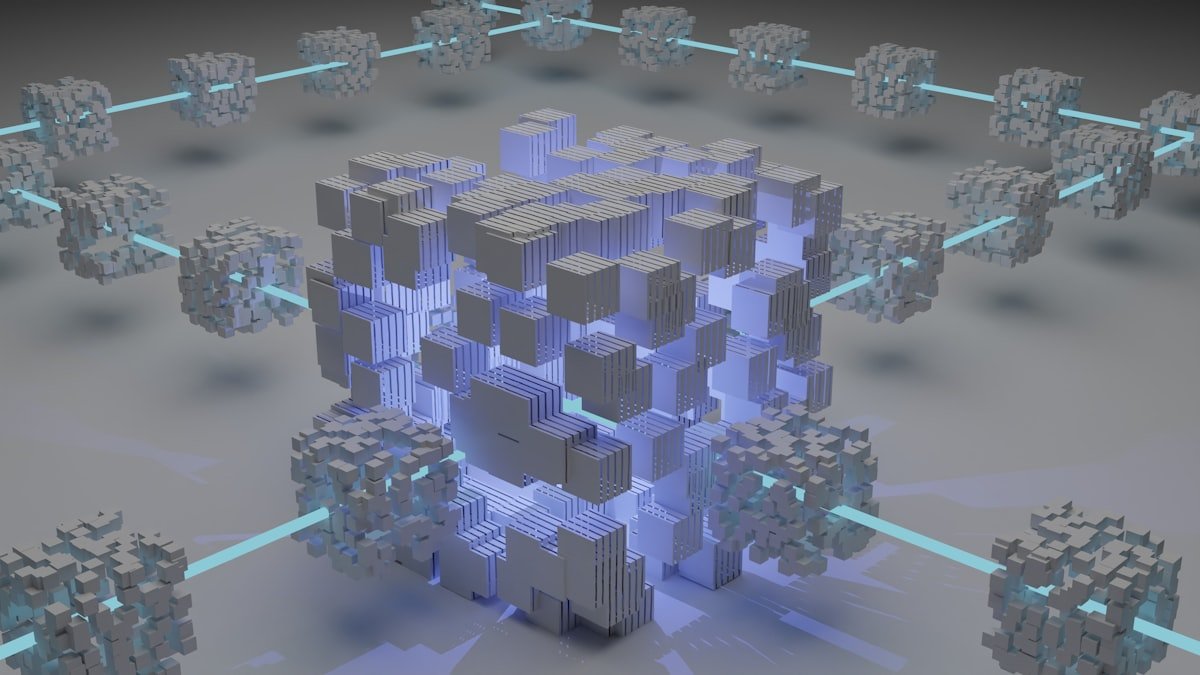
Blockchain uses hashing at multiple levels to ensure data integrity. Each block contains the hash of the previous block, creating a mathematical chain. If anyone tampers with any historical block, every subsequent block’s hash becomes invalid — making tampering immediately detectable.
| Blockchain Use | Hash Type | Educational Significance |
|---|---|---|
| Block linking | Previous block hash | Immutability mechanism |
| Transaction grouping | Merkle tree root | Efficient verification |
| Address generation | Public key hash | Wallet address creation |
| Mining (PoW) | SHA-256 (Bitcoin) | Computational consensus |
Hashing in TRC20 Token Research
When studying TRC20 tokens on platforms like TRONScan, transaction hashes serve as unique identifiers. Understanding hash functions helps researchers verify whether claimed transactions genuinely exist on-chain.
⚠️ Research Note: A valid transaction hash that cannot be found on a public blockchain explorer indicates the transaction does not exist on the real blockchain.
Continue with our blockchain guides. Our safety page covers how to use hashes for transaction verification.
📚 Research Summary
Part of the TRC20 Flasher educational library. Explore Research Guides, Safe Practices, or the FAQ Glossary.
⚠️ Educational only. Simulated examples are DEMO / SIMULATION / EDUCATIONAL DATA.